Posted in Uncategorized

When Shame Feels Safer Than Freedom

Why Letting Go Is Harder Than It Sounds

In my last post, I wrote about running the race of faith while dragging heavy rocks from the past. I encouraged readers to “cut the cord” — to release shame, guilt, and old failures that God has already forgiven.

But here’s the truth many people live with:
They don’t refuse to let go because they don’t want freedom.
They struggle because they don’t know how to let go — and in some ways, letting go feels frightening.

Shame can become familiar. And familiar can feel safe.
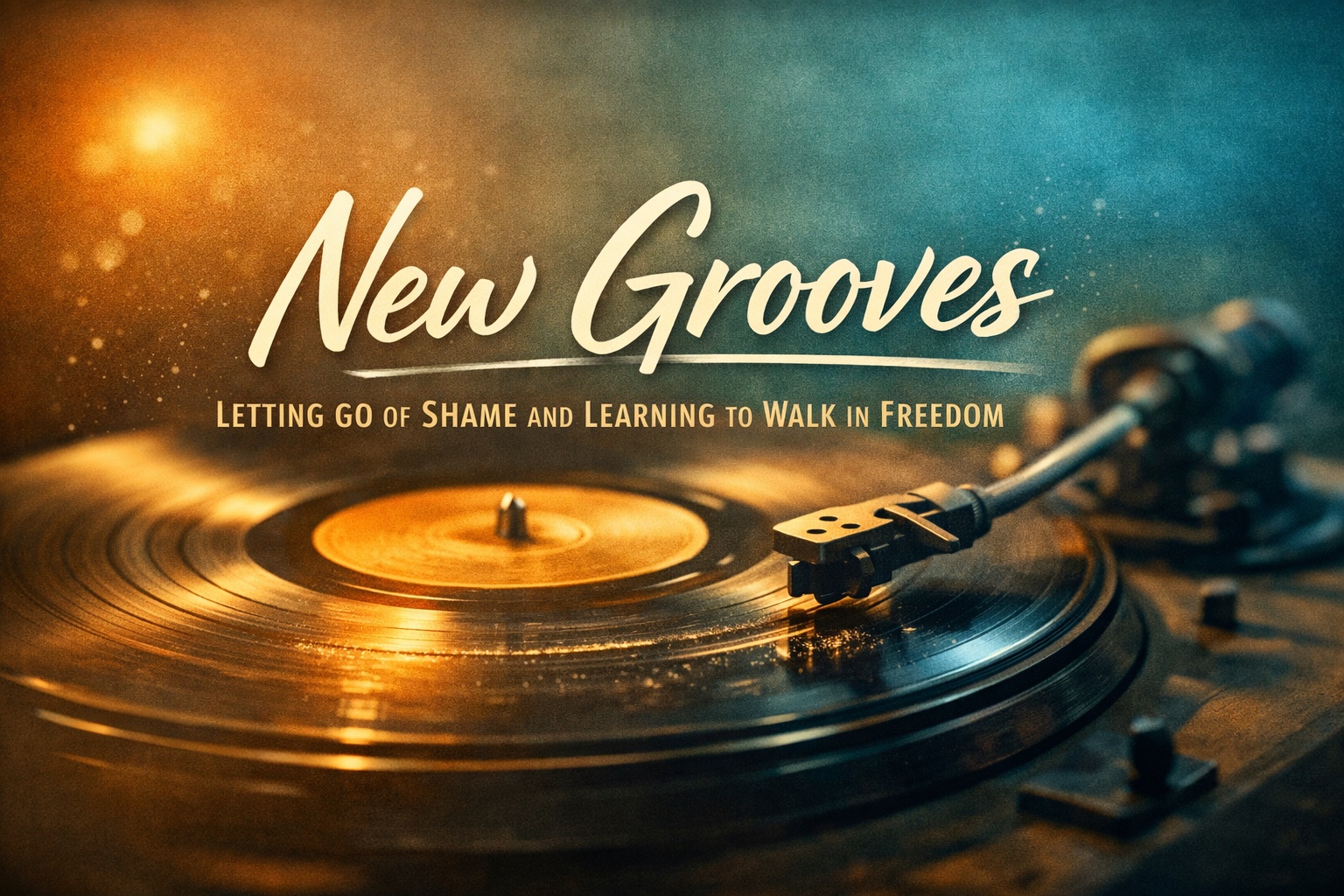
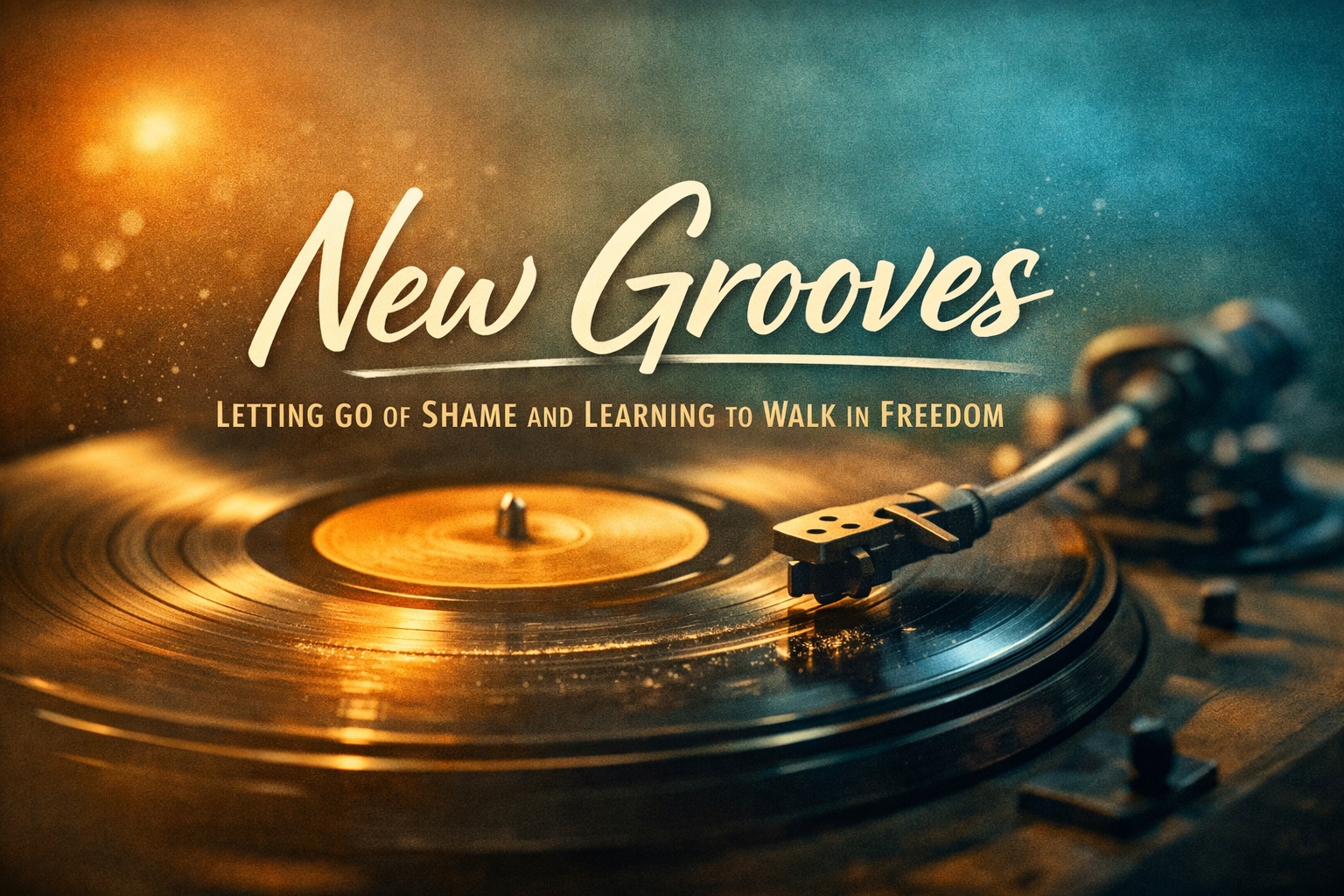
Over the years, I’ve used an illustration that helps explain why old thought patterns are so hard to break. It comes from something many people today have never seen — an LP record player.

Before digital music, songs were played on large vinyl records. A needle would rest in a groove and move smoothly as the music played. But if the record got scratched, the needle would catch on that scratch and repeat the same sound over and over.

That’s how many of us experience shame.

Scripture calls this a pattern of thinking — and it tells us it can be retrained.

“Let God transform you into a new person by changing the way you think.” (Romans 12:2, NLT)

Cutting the cord isn’t a single moment. It’s a practice.

Freedom may feel unfamiliar at first.
But unfamiliar doesn’t mean unsafe.
It just means you’re learning to run in a new way.
Posted in Uncategorized

New Grooves

Uploaded image

It’s been a long time since I last posted — but this is a conversation I’ve been wanting to return to.

Scripture often describes the life of faith as a race — not a sprint, but a long, purposeful run marked by endurance, perseverance, and growth.

But many people are trying to run that race while dragging something behind them.

Not sin that God hasn’t forgiven.
Not guilt that hasn’t been addressed.
But weight they were never meant to carry anymore.

The writer of Hebrews says it plainly:

“Let us strip off every weight that slows us down… and let us run with endurance the race God has set before us.” (Hebrews 12:1, NLT)

Notice the wording: weight — not just sin. Some things slow us down simply because we’re still holding them.

Over the years, I’ve pictured it like this. Imagine running a race with a rope tied around your waist. On the other end of that rope is a heavy rock — representing past failure, shame, regret, or words spoken over you that still echo in your mind.

You’re moving forward. You haven’t quit. But every step is harder than it needs to be.

Many believers live this way without realizing it. They’ve accepted God’s forgiveness in theory, but in practice, they keep dragging reminders of who they used to be.

“I know God forgave me, but I can’t forgive myself.”
“I should be further along by now.”
“This is just who I am.”

At some point, the race becomes exhausting — not because God is demanding too much, but because we’re carrying what He already released.

Freedom doesn’t begin with trying harder. It begins with letting go.

That’s why I often use the phrase “cut the cord.” Cutting the cord means choosing to believe that if God has forgiven you, you don’t need to keep punishing yourself. It means trusting that grace isn’t just something God offers — it’s something He intends you to live in.

Some people hesitate here. Not because they don’t want freedom — but because they’ve grown used to the weight. And what we’ve carried for a long time can start to feel strangely familiar.

That’s what we’ll talk about next.